Debt Snowball vs. Debt Avalanche: Which One Actually Works for You?
In this article+
- The Debt Snowball Method: Smallest Balance First
- The Debt Avalanche Method: Highest Interest First
- How to Choose Between Them
- The System That Makes Either Method Work
- Step 1: See every debt in one place.
- Step 2: Track your monthly minimums as recurring expenses.
- Step 3: Create a 'Debt Payoff' goal.
- Step 4: Run a weekly 10-minute debt review.
- The Tiny Hacks That Compound
- When to Switch Methods
- The Final Word
If you have more than one debt — a couple of credit cards, maybe a car loan, a medical bill, or student loans — the question of which order to pay them off is more important than most people realize. Pick the wrong approach and you either save less money or lose motivation and quit. Pick the right one and you can shave months or even years off your payoff timeline.
There are two proven methods: the debt snowball and the debt avalanche. Dave Ramsey built an empire teaching one. Math PhDs argue the other. Both work. Neither is right for everyone. This guide explains exactly which one is right for YOU, and the concrete system that makes either of them actually succeed.
The Debt Snowball Method: Smallest Balance First
The snowball method ignores interest rates. You pay minimums on every debt, then throw every extra dollar at your SMALLEST debt balance. When it's paid off, you roll that freed-up payment into the next smallest. And so on.
Example. You owe: - Medical bill: $400 (0% interest) - Credit card A: $1,200 (22% interest) - Credit card B: $3,500 (19% interest) - Car loan: $8,000 (7% interest)
Snowball order: medical bill, then credit card A, then credit card B, then car loan.
Why it works. Psychology. You see quick wins. The medical bill disappears in a month or two. That early victory is a dopamine hit that keeps you going. People on the snowball method are significantly more likely to stay consistent long enough to finish.
The trade-off. You probably pay more interest overall. The $8,000 car loan at 7% keeps accruing interest while you focus on smaller balances.
The Debt Avalanche Method: Highest Interest First
The avalanche method ignores balance size. You pay minimums on every debt, then throw every extra dollar at your HIGHEST interest rate. When it's paid off, move to the next highest. Repeat.
Using the same debts, the avalanche order would be: credit card A (22%), credit card B (19%), car loan (7%), medical bill (0%).
Why it works. Math. High-interest debt compounds faster than low-interest debt. Every dollar sent to the highest rate saves the most future interest. Over a long payoff (especially with high-interest credit cards), avalanche can save hundreds or even thousands of dollars.
The trade-off. The first debt might take many months. No quick wins. People with less financial patience often lose steam and quit.
How to Choose Between Them
Ask yourself one honest question: what has stopped you from paying off debt before?
- If the answer is 'I get discouraged and quit,' pick the snowball. Motivation is your bottleneck, not math. A slightly higher interest cost is worth the much higher chance you actually finish.
- If the answer is 'I could afford it but I wasn't disciplined,' pick the avalanche. If you're going to stay consistent anyway, the math will reward you.
- If you have mostly similar interest rates and a mix of balances, pick the snowball — the math gap is small, and the motivation boost is real.
- If you have one giant high-interest debt (24%+ credit card) dwarfing everything else, pick the avalanche — the interest savings are dramatic.
There's also a hybrid: 'the emotional avalanche'. You generally attack the highest interest, but if there's a tiny debt you can knock out in a month, you do that first for the mental win. That's a perfectly valid approach and it's how many people actually succeed.
The System That Makes Either Method Work
Picking a method is 10% of the battle. Executing it consistently is the other 90%. This is where most people fail, and this is where a good tracking system changes everything.
Step 1: See every debt in one place.
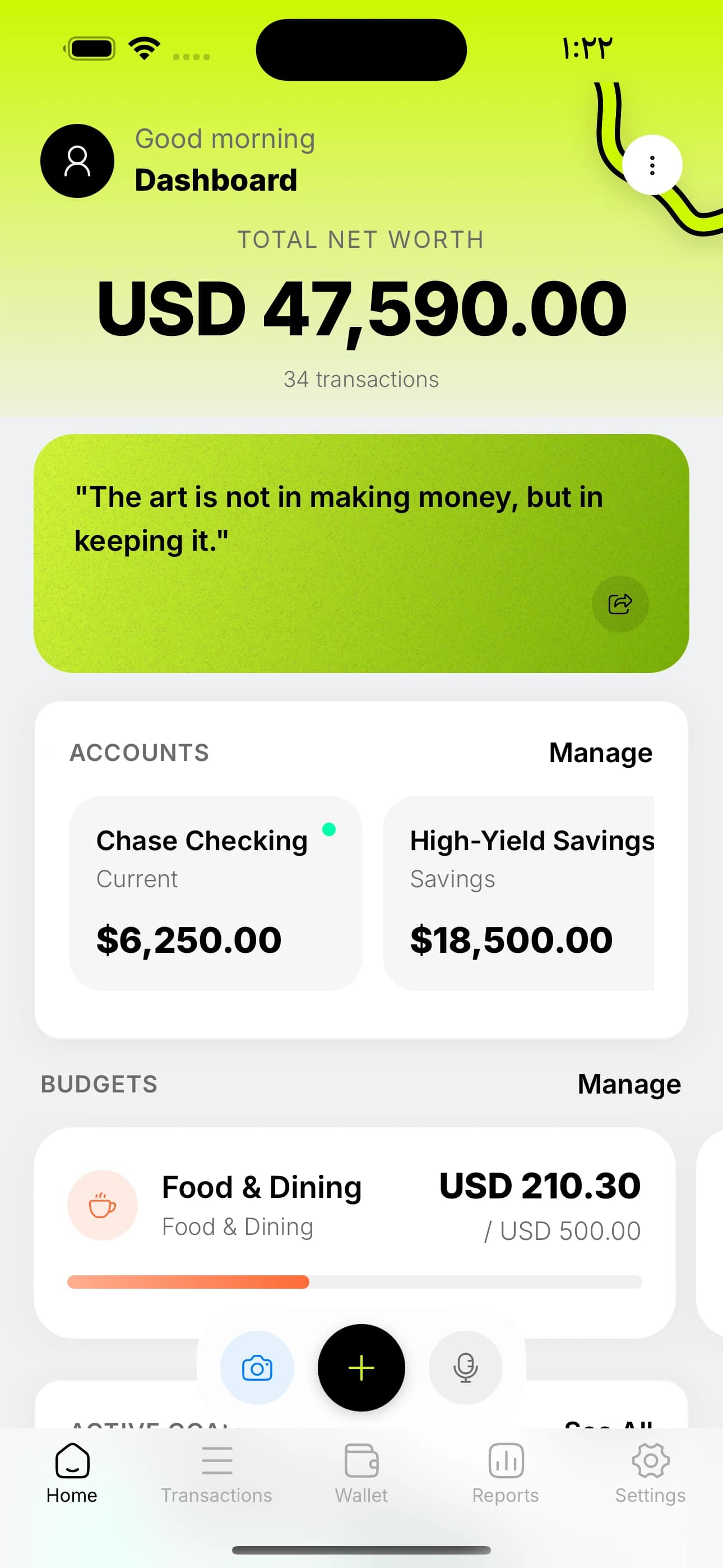
In Cashy, add each debt as a credit-type account. Credit card A with balance $1,200, credit card B with balance $3,500, car loan with balance $8,000, medical bill $400. Seeing them side by side — with a total that shows your overall debt — is the first honest moment most people have with their debt in years.
Step 2: Track your monthly minimums as recurring expenses.
Add each minimum payment as a recurring monthly expense. Cashy will show you your total monthly debt service alongside everything else. That number is what you've been paying without progress. We're about to change that.
Step 3: Create a 'Debt Payoff' goal.
Set a savings goal in Cashy called 'Extra Debt Payment' with a monthly target. For example, if you want to throw $300 extra at your snowball target each month, set a goal of $300. Every time you make an extra payment, log it. The progress bar resets monthly. This turns an invisible slog into a visible game.
Step 4: Run a weekly 10-minute debt review.
Every Sunday, open Cashy's Reports. Check two numbers: your spending for the week, and your debt balances. Your extra payment next week comes from whatever you can squeeze out of discretionary spending. That weekly connection — 'if I cook at home instead of dining out this week, that's $60 more toward this debt' — is what keeps motivation alive.
Make this real — try Cashy free.
Voice entry, receipt scanning, budgets. No bank linking, no ads.

The Tiny Hacks That Compound
A few small tricks make either method dramatically faster:
- Biweekly payments instead of monthly. Splitting your payment in half and paying every two weeks effectively adds one extra monthly payment per year.
- Round up every payment. If the minimum is $87, pay $100. Automate the extra $13. It feels tiny; it's thousands over time.
- Dedicate windfalls. Tax refund, birthday money, freelance payment, resale income — all go straight to the current target debt. Log the windfall in Cashy, then transfer it.
- Stop the bleeding first. If you're still adding to credit card balances each month, no payoff method works. Use Cashy's budgets to get monthly spending under monthly income before you attack the debt.
When to Switch Methods
You're allowed to change your mind. If you start with the snowball and three debts are gone but you're losing steam because the remaining big balance feels endless, switch to the avalanche — the remaining debts are probably the high-interest ones anyway. If you start with the avalanche and you're unmotivated, switch to the snowball and knock out a quick one for morale.
The 'wrong' choice is to quit entirely. Every method beats doing nothing.
The Final Word
Debt snowball vs. debt avalanche is one of the most over-debated topics in personal finance. The truth: both work. Either method paired with consistent tracking will free you in a few years. Neither method works without tracking.
Download Cashy for free on the App Store, add your debts as accounts today, and pick your method. Two years from now, you won't care which one you chose. You'll care that you finished.
Frequently asked questions
Which is better — debt snowball or debt avalanche?
+
Snowball is better for motivation (smallest debts first = quick wins). Avalanche is better for math (highest interest first = least interest paid). Pick snowball if you have quit before from discouragement; pick avalanche if discipline is your strength.
Does the debt snowball method really work?
+
Yes. Studies show people on the snowball method are more likely to stay consistent long enough to finish, even though it costs slightly more in interest than avalanche.
Can I switch between snowball and avalanche?
+
Yes. Many people start with snowball for the early wins, then switch to avalanche for the larger high-interest debts once motivation is built.
What app helps me track debt payoff?
+
Cashy. Add each debt as a credit-type account, set a "Debt Payoff" savings goal for your monthly extra payment, and use Reports to find the spending you can redirect each week.